Elizabeth Oldham’s Shadows on the Heart doesn’t offer a tidy picture of healing. Instead, it gives us something far more authentic: the messy, layered, and often painful process of grief and growth across three generations of women forced together by tragedy.
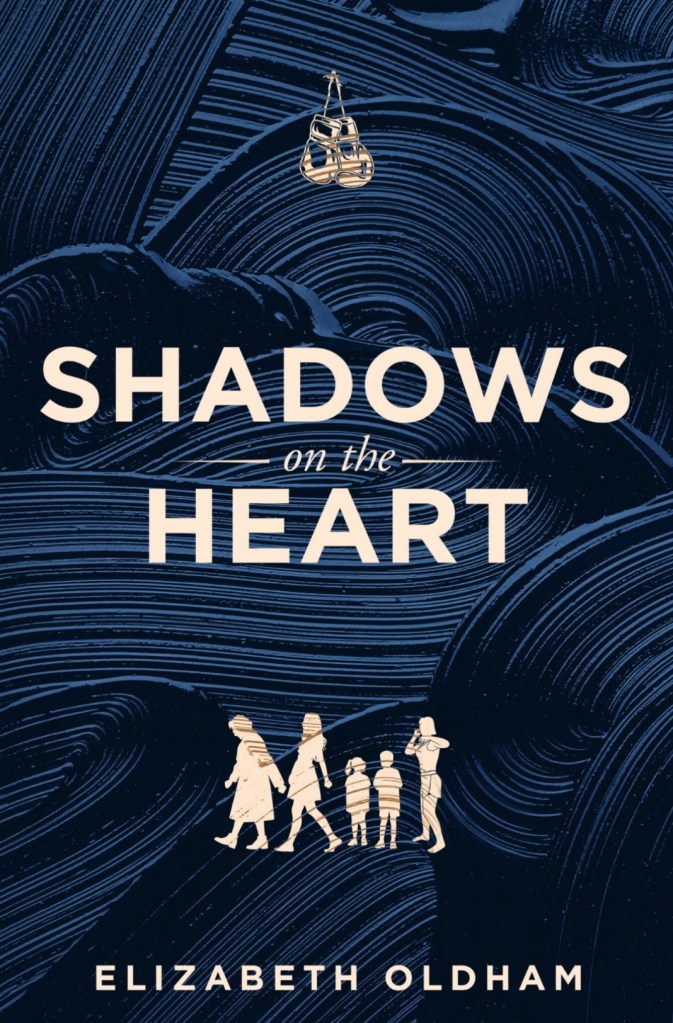
When twelve-year-old Jade loses both her parents, her world is flipped upside down. She and her two younger siblings are sent from California to Arizona to live with their estranged Aunt Lita—a tough, tattooed MMA fighter with no clue how to raise kids. As if that weren’t complicated enough, their grandmother Evie, who suffers from advanced dementia, comes along too. Evie is Lita’s mother, but the two haven’t spoken in years. And now they all share a roof.
What unfolds is a character-driven, emotionally intricate story told from the alternating perspectives of Jade, Lita, and Evie. Each voice is distinct and reflective of their emotional state: Jade’s raw and reactive, Lita’s guarded but searching, and Evie’s disoriented, floating between memories and the present. Evie’s chapters—written in present tense—add an almost poetic layer to the book, capturing the fragmented and often heartbreaking nature of dementia.
While the plot itself moves slowly, it’s the emotional developments that drive the story. Jade struggles at her new school, lashes out, and clings to those who mirror her pain. Her grief is raw, palpable, and realistic. Lita’s journey from detached fighter to reluctant, then fiercely devoted, caregiver is at the core of the novel. Though one key revelation near the end rushes her transformation a bit, it still leads to powerful, if somewhat sudden, catharsis.
Evie’s chapters, while sometimes repetitive in language, also offer some of the most touching insights into how memory and identity dissolve over time. Her confusion, fear, and fragmented glimpses of her past add emotional depth and nuance—especially in the way she views Lita not as her daughter, but “the tattooed woman.”
Oldham excels in showing how people can still reach one another through the fog of trauma. Despite the friction between generations, moments of tenderness and understanding emerge, often quietly, without fanfare—through a look, a gesture, or a hard-earned word.
Though Shadows on the Heart isn’t action-packed, its emotional weight and intergenerational storytelling make it a compelling read. It’s a book about broken people trying to hold each other up, even when they don’t quite know how.
Shadows on the Heart is for readers who appreciate slow-burning, family dramas in the vein of Celeste Ng or Elizabeth Strout. If you’ve ever wrestled with grief, caregiving, or the complicated dynamics between mothers and daughters, this novel will feel personal.
-K

 The Book Report